[ad_1]
Inventive Professionals are discovering cellular web important to their work, and suppliers have responded with a plethora of choices. The large boys of cable web, Comcast and Spectrum (previously often known as Constitution and Time Warner), have even rolled out mobile service during the last 24 months to compete with the likes of AT&T, Verizon and T-Cellular/Dash. Now that creatives have rising decisions on their wi-fi web, it’s important they think about the professionals and cons of utilizing every.
WIRELESS “WI-FI” INTERNET

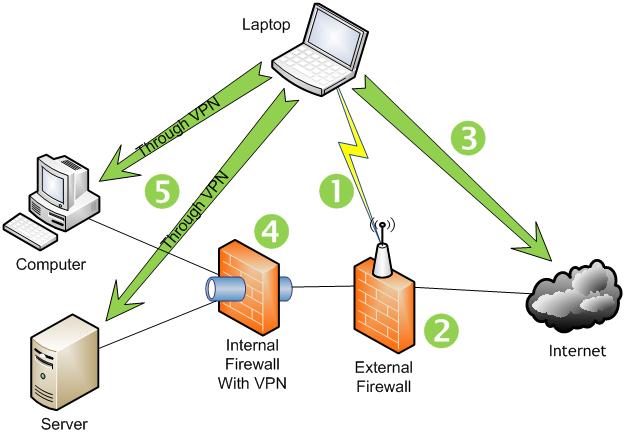
Until the wi-fi system is encrypted and password protected (i.e. – paywalls, subscription logins), “open” wi-fi isn’t the best selection for creatives whereas on the go for just a few causes, not least of which being piracy. Whereas monetary and private data is the popular goal of on-line thieves, piracy of artistic supplies has been on the rise in recent times, and unsecured wi-fi is the first avenue for theft. As most professional workplaces are relatively safe because of built-in router firewalls, the good majority of those thefts happen in “free wi-fi” areas comparable to espresso outlets, quick meals eating places and the like. Many web and cable corporations provide complimentary safe hot-spots for his or her prospects on account of this concern, with prospects logging in utilizing their account profile to entry high-speed wi-fi hot-spots, with in-built safety firmware. When accessible, these connections are all the time preferable.
That being stated, the first upside for wi-fi is uncooked pace. It’s the uncommon wi-fi connection which is beneath 10Mbs add and 2Mbs obtain, although they do exist, largely in additional distant and rural areas. Sadly, the pace can also be predicated on proximity to sign supply – the additional the space, the slower the pace. In areas which have rolled out gigabit speeds, it’s not unusual to see upt to 100Mbs free wi-fi. Some main cities have even begun providing public out of doors wi-fi, although it could be artistic professionals’ greatest curiosity to make use of additional password and encryption when accessing these specific mediums.
PROS: Usually quicker than mobile web. Sign stability. For hotspots with subscription paywalls (Comcast, Spectrum, AT&T) optimum safety.
CONS: Not as simply accessed as mobile. For “public” hotspots, excessive safety dangers. Pace decreases as distance from sign supply will increase. Occasional limits on the variety of customers at anyone time.
CELL TOWERS

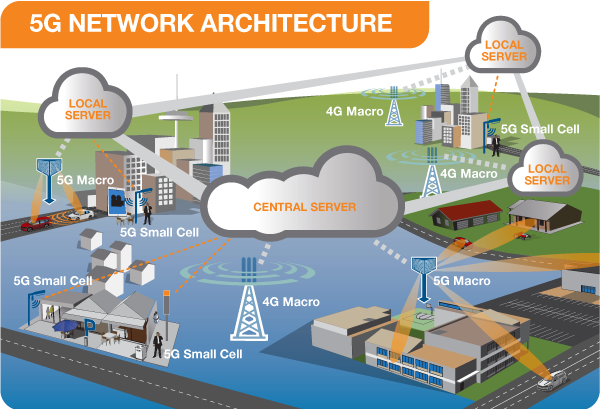
Cellphone connections for artistic professionals have many benefits, safety being paramount. As mobile suppliers have continued to construct out the pace of their networks, many extra of them are conscious of the necessity for elevated safety as effectively. Although Bluetooth web connections to hotspots are comparatively underused, they supply among the greatest alternatives for hackers to take advantage of safety vulnerabilities, so utilizing a hotspot function constructed into almost each gadget is most popular. One other of the intense downsides on utilizing cellphone connections is how unreliable some provider towers are in rural or evenly urbanized areas.
One other concern is data-prioritization: additionally know as a “mushy cap,” or throttling, the place carriers decelerate web at particular excessive site visitors instances and provides precedence to enterprise prospects who sometimes pay for greater knowledge packages. A number of multi-gig recordsdata can simply decelerate a community, which is why many carriers have switched to knowledge prioritization as a way of “rationing” excessive pace mobile knowledge. Additionally, keep in mind that regardless of intense advertising and marketing campaigns about it, solely a choose few US cities have loved a full rollout of 5G knowledge.
PROS: Mobility – potential to maneuver the reference to the gadget getting used. Usually safer. No limits on variety of customers at anyone time.
CONS: In lots of areas, main pace variances based mostly on the tower getting used. In additional rural areas, throttling extra frequent. Weaker indicators require extra battery energy to seize. Prime speeds extraordinarily restricted to main markets with projected lack of build-out by main carriers.
Data from RCRWireless and ElProcus was used on this report.
[ad_2]