[ad_1]
Africa is on the verge of getting quicker and improved web companies as Nokia and Angola Cables have introduced the check of Nokia’s Photonic Service Engine Three (PSE-Three) chipset. The check is for the primary direct optical connection between the USA and Africa.
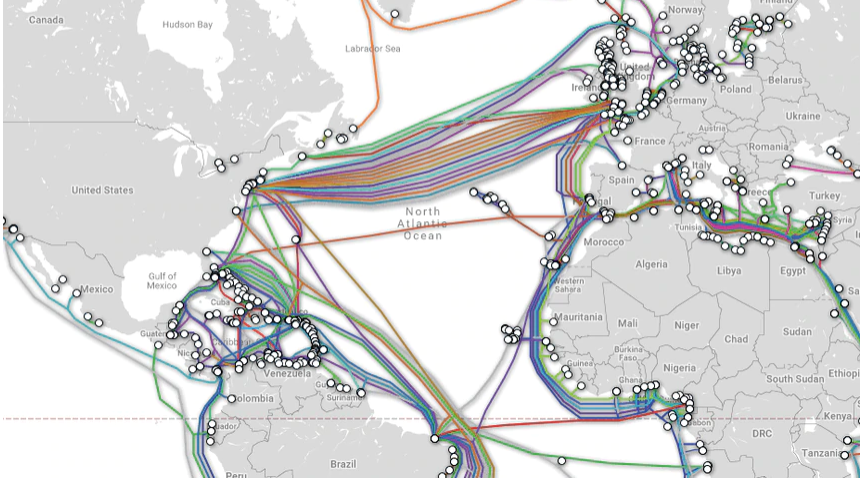
The check which is scheduled to run on the trans-Atlantic SACS (South Atlantic Cable System) cable will present a direct, low-latency route to higher serve the rising web demand on the continent.
Low latency networks enormously enhance efficiency in purposes equivalent to cloud computing. Whereas Africa already has low latency community connection, this growth is predicted to additional enhance its capability.
In keeping with Nokia’s Head of Optical Networking, Sam Bucci, Africa is a primary marketplace for strategic progress for the corporate, and the check will assist to ship enhanced service.
“Africa is a strategic progress marketplace for Nokia throughout each our core CSP and webscale companies. We’re proud to companion with Angola Cables to use our ground-breaking PSE-Three expertise to a novel and difficult subsea route, serving to to ship enhanced companies to a quickly growing a part of the world.”
Sam Bucci, Nokia’s Head of Optical Networking
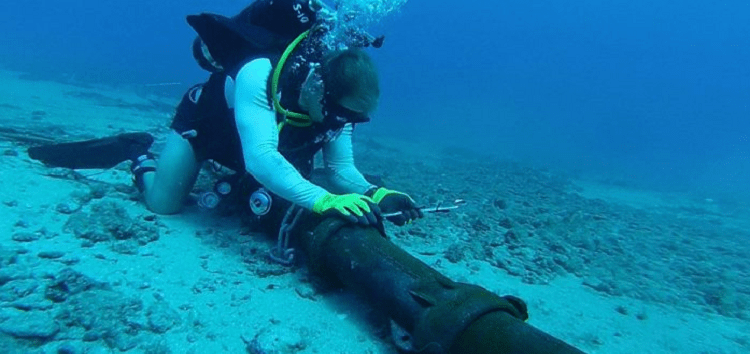
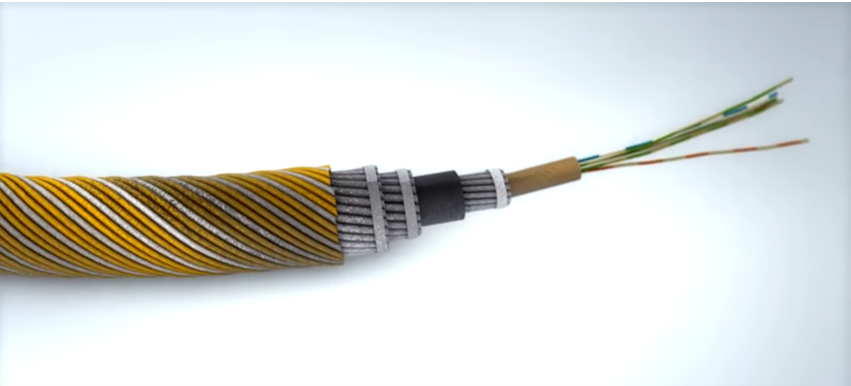
International web service is essentially depending on subsea fibre-optic cables and never communication satellites as many individuals imagine. A subsea cable which may ship as much as Three,480 gigabits of knowledge per second per optical fibre is answerable for greater than 99% of worldwide information transmitted.
In keeping with ITU, the variety of web customers has elevated exponentially in sub-Saharan Africa, from 10% registered in 2010 to over 28% in 2019. This makes development in subsea connectivity important to the continual entry to world web to rising African web customers.
The Nokia PSE-Three chipset offers an vitality effectivity enhancement scheme for Web information to be despatched by means of fibre optics. Which means that the fibre optics used to switch information from Africa might be easier, have extra capability, and transmit with extra velocity.
Additionally, by means of chance constellation shaping (PCS), the expertise permits telecommunication firms like MTN who was just lately affected by the breakage of subsea cable to simply reroute information of their community. This could forestall web lag or breakage.
Equally, it is going to cut back the operational value in addition to simplify the expertise behind transcontinental information, making it simpler to handle.
The brand new companies will leverage the interconnection of two
present subsea cable techniques – SACS and MONET to supply web speeds of up
to 300 Gbps per optical wavelength between Miami, US and Luanda, Angola.
Feedback
[ad_2]