[ad_1]
The rationale? The federal government needs to silence dissenting voices.
A lot of the Web shutdowns in India have both been imposed as preventive measures to curb violence or to include the unfold of violence after it has damaged out. However the authorities has used them to serve different ends: to stifle dialogue on social media, to make it more durable for residents to prepare protests, and to single out populations like Kashmiris.
Disconcertingly, these shutdowns have gotten extra commonplace. The Indian authorities has been limiting Web entry since 2010, however the frequency, geographic distribution, and period of those shutdowns has elevated dramatically in the previous couple of years. Till this 12 months, the shutdowns had virtually doubled each successive 12 months since 2014 when the present authorities, led by Prime Minister Narendra Modi, got here into energy.
In the previous couple of years, Web blackouts have turn out to be a simple swap able to be flicked to disclaim freedom of expression and undermine rights. They’ve turn out to be a potent software for the federal government to manage public messaging and promote false narratives, with out worrying that dissenting voices on social media and messaging apps will get in the way in which.
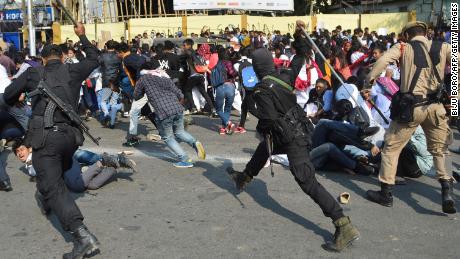
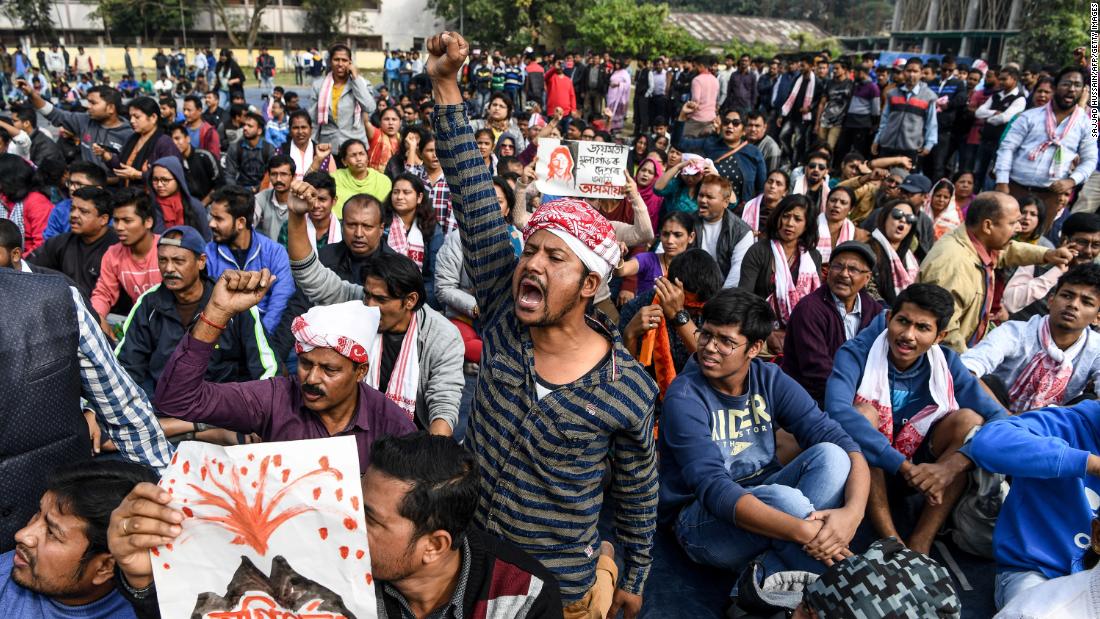
Freedom of peaceable meeting, affiliation, and expression are crucial options of a democracy — and nonviolent actions, pushed by peaceable dissent, had been on the coronary heart of India’s battle for independence. You’d suppose that the world’s largest democracy would guarantee the fitting to interact in actions important to its personal independence, however India’s authorities goes out of its strategy to suppress them. As protests are being deliberate on social media, the Web shutdowns make for a simple strategy to preserve residents from having the ability to arrange and make their voices heard.
In case of Kashmir, the place an Web shutdown has been in place for greater than 4 months, the federal government’s Web management might be described as digital discrimination. There, the blackout is a collective punishment of the individuals who reside there — a tactic that can solely make tensions worse in the long term.
Sixty-seven % of the world’s reported Web shutdowns occurred in India final 12 months. That reveals how set off comfortable the federal government is in terms of killing the swap. It is particularly ironic when the federal government is pushing for its flagship initiative, Digital India, that locations big emphasis on using the Web and expertise for day-to-day actions, from paperwork to funds.
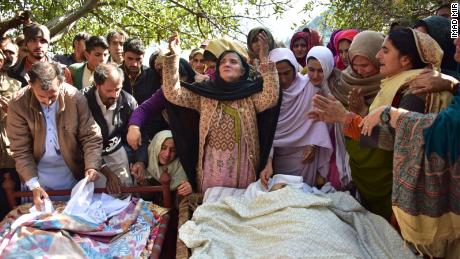
Web shutdowns are gross violations of human rights. They’re dangerous, ineffective, costly, they usually haven’t any place in a democracy. They go away individuals with out entry to info and different providers that may very well be the distinction between life and dying.
After getting re-elected in 2019, Mr. Modi mentioned that he might be ushering the nation in a “New India.” What we do see is certainly a New India, one regularly dragged into digital darkness and mental chapter.
[ad_2]
Source link