[ad_1]
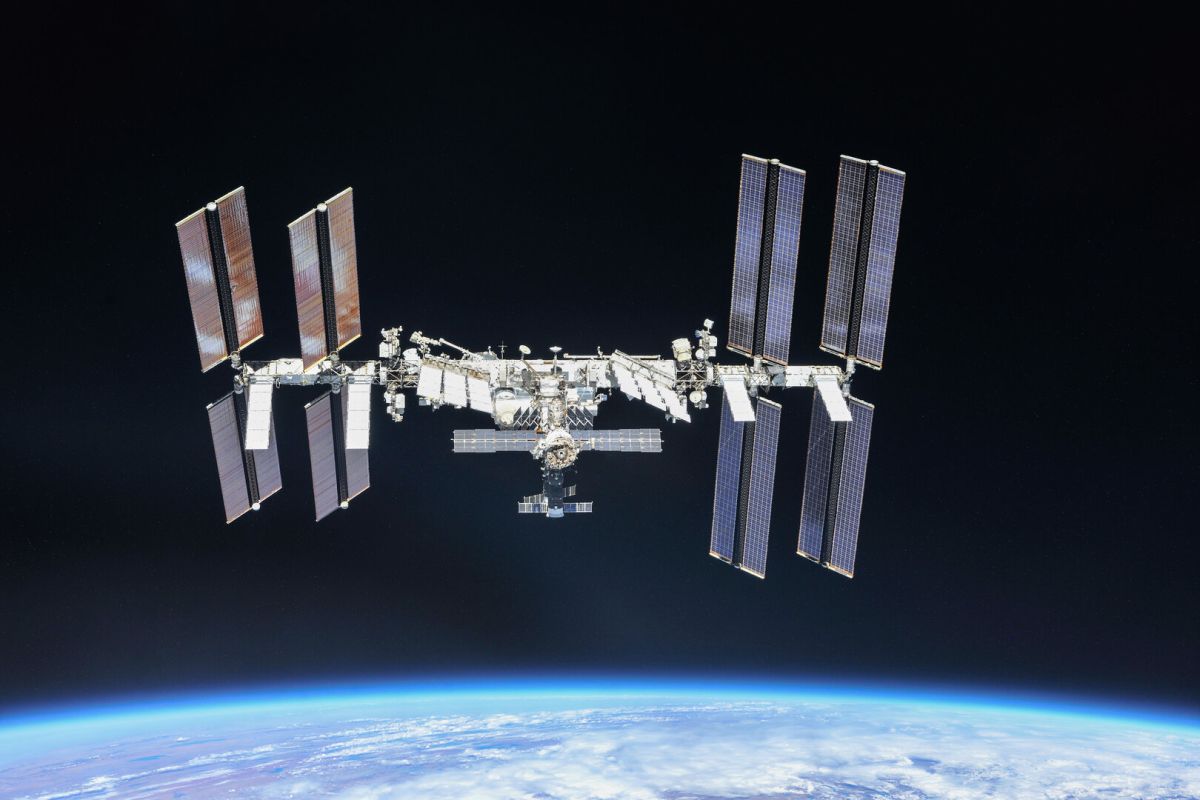
This month, Russian and European engineers confirmed the success of their “open-heart surgical procedure” on the pc lifeline of the Worldwide Area Station.
Groups from each the Russian house company Roscosmos and the European Area Company (ESA) developed a way by which an astronaut or cosmonaut aboard the house lab might improve the computer systems that preserve the ISS on observe and in the best place, recognized collectively because the Knowledge Administration System. It is a job that ESA representatives described in a press release as “the equal of open-heart surgical procedure on Earth!”
Engineers on the bottom rigorously deliberate and examined the method earlier than it could be carried out in house to make sure that the restore work might be completed on-site with out posing any danger to the spacecraft or its inhabitants, according to ESA.
Related: International Space Station at 20: A Photo Tour
This type of testing largely happens behind the scenes, ESA said, and doesn’t usually get a lot of attention unless something bad occurs. But streamlining repair work can have implications for destinations that space agencies like NASA are aiming toward, like the moon, Mars and perhaps beyond.
Anything in low Earth orbit is already quite far away from the resources needed for repairs. ESA explained that fixing a space computer is complicated because of the long turnaround: Time adds up as a computer waits to hitch a ride back to Earth, gets fixed and waits to launch again.
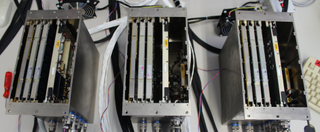
The new procedure reduced repair time from six months to a few days, according to ESA.
The recent development in space-lab computer repair was made possible by engineers’ discovery that most of the failures in these computers took place in their circuit boards. The teams then came up with a solution, creating a new printed circuit board that matched the old version’s form and function but relied on newer components that were easier to source.
In January 2019, Russian cosmonauts confirmed that the computer from the surgery experiment survived the operation, in which astronauts replaced an older circuit board with a new one. And recently, “all is now confirmed to be working properly,” ESA representatives wrote in the statement.
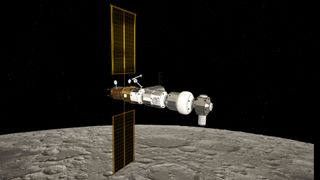
Having spare parts and being able to make repairs in space may help the ISS survive until 2030 and offers valuable information for other orbital projects. One such project NASA is targeting is the Lunar Gateway, which would orbit the moon and serve as a hub for scientists and crewmembers (and maybe even tourists) as they prepare to explore Earth’s natural satellite.
“Maintenance on the International Space Station demonstrates the experience and design knowledge needed to support future missions,” wrote ESA representatives, “while ensuring more sustainable operations — a win-win situation.”
Follow Doris Elin Urrutia on Twitter @salazar_elin. Comply with us on Twitter @Spacedotcom and on Fb.

[ad_2]
Source link