Powerful Iran Cyber Attack Takes Down 25% Of National Internet
[ad_1]
The NetBlocks internet observatory, which maps internet freedom in real-time, confirmed that there was extensive Iranian telecommunications network disruption on the morning of February 8. The internet observatory, an accurate and impartial monitor of internet availability, uses a combination of measurement and classification techniques to detect disruptions and critical infrastructure cyber-attacks in real-time. In a NetBlocks tweet, the national internet connectivity drop to 75% was said to be due to Iranian authorities activating the "Digital Fortress" cyber-defense mechanism, also known as DZHAFA.
In a NetBlocks report, the DEZHFA activation is said to have been implemented in order to "repel a cyber-attack on the country’s infrastructure." With both fixed-line and mobile network providers impacted, it was seven hours before normal internet connectivity was resumed. A spokesperson for Iran’s Telecommunication Infrastructure Company, affiliated to the ministry of ICT and Iran’s sole provider of telecommunications infrastructure, Sadjad Bonabi, tweeted that a "distributed denial of service attack" (DDoS) had been "normalized" with the "intervention of the Dzhafa Shield."
It is certainly not unusual for DDoS attacks to be used as a cyber-weapon by nation-states. Indeed, at the start of December 2019, China was reported to have fired the "Great Cannon of China" at an online forum used to coordinate Hong Kong pro-democracy protests. However, the Financial Tribune quotes Bonabi as saying that "no sign of state sponsorship" of the attack had been detected, and that both attack sources and destinations were "highly distributed."
This is just the latest in a long line of alleged cyber-attacks against Iranian infrastructure, regardless of attribution. In December 2019, Kate O’Flaherty reported how the DZHAFA shield had been activated to defend against attacks on government servers and electronic infrastructure. Earlier last year, as Zak Doffman reported, the U.S. had launched an "offensive cyber strike on Iran to disable the computer systems used to control rocket and missile launches."
Meanwhile, the Iranian Zafar observation satellite that was due to be launched into the orbit the same day as the cyber-attack has been delayed according to reports on Radio Farda. While stating that there were no issues regarding putting the satellite into orbit, Morteza Barari, head of Iran’s space organization, is reported to have said that the launch would happen "at the first opportunity when everything is prepared." It is not currently known if the delay and the cyber-attack are related.
“>
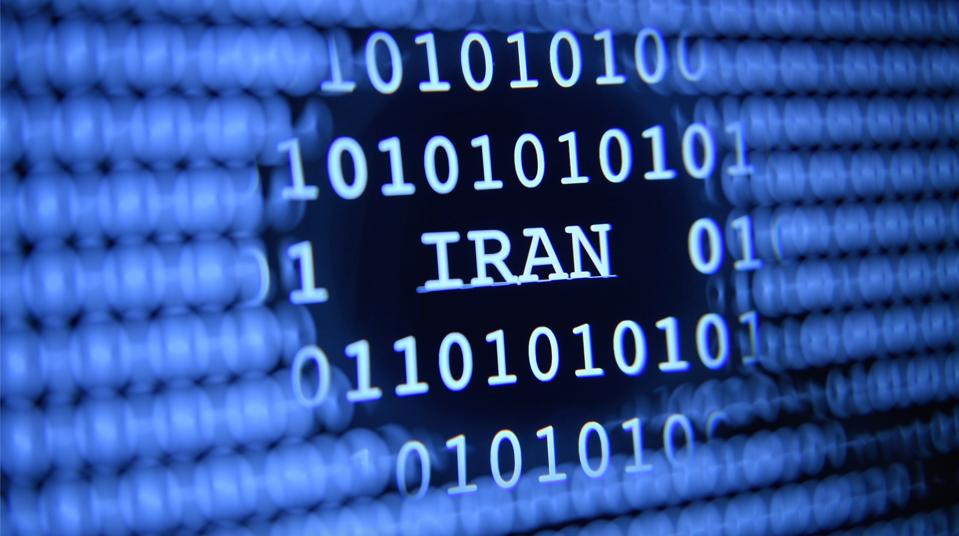
A cyber-attack in opposition to Iranian infrastructure blamed for large web shutdown
Getty
Sizzling on the heels of a “severe” cyber-attack that compromised United Nations servers, and in the identical week that the top of the European Central Financial institution, Christine Lagarde, warned of the worldwide monetary implications of cyber-attacks, Iran has seemingly come below cyber-attack. Certainly, so highly effective was the affect of this alleged assault that the web was disrupted throughout the nation.
The NetBlocks web observatory, which maps web freedom in real-time, confirmed that there was intensive Iranian telecommunications community disruption on the morning of February eight. The web observatory, an correct and neutral monitor of web availability, makes use of a mix of measurement and classification strategies to detect disruptions and significant infrastructure cyber-attacks in real-time. In a NetBlocks tweet, the nationwide web connectivity drop to 75% was mentioned to be attributable to Iranian authorities activating the “Digital Fortress” cyber-defense mechanism, often known as DZHAFA.
In a NetBlocks report, the DEZHFA activation is claimed to have been applied with a purpose to “repel a cyber-attack on the nation’s infrastructure.” With each fixed-line and cellular community suppliers impacted, it was seven hours earlier than regular web connectivity was resumed. A spokesperson for Iran’s Telecommunication Infrastructure Firm, affiliated to the ministry of ICT and Iran’s sole supplier of telecommunications infrastructure, Sadjad Bonabi, tweeted “distributed denial of service assault” (DDoS) had been “normalized” with the “intervention of the Dzhafa Defend.”
It’s actually common for DDoS assaults for use as a cyber-weapon by nation-states. Certainly, at the beginning of December 2019, China was reported to have fired the “Nice Cannon of China” at a web based discussion board used to coordinate Hong Kong pro-democracy protests. Nevertheless, the Monetary Tribune quotes Bonabi as saying that “no signal of state sponsorship” of the assault had been detected, and that each assault sources and locations have been “extremely distributed.”
That is simply the most recent in a protracted line of alleged cyber-attacks in opposition to Iranian infrastructure, no matter attribution. In December 2019, Kate O’Flaherty reported how the DZHAFA protect had been activated to defend in opposition to assaults on authorities servers and digital infrastructure. Earlier final yr, as Zak Doffman reported, the U.S. had launched an “offensive cyber strike on Iran to disable the pc methods used to regulate rocket and missile launches.”
In the meantime, the Iranian Zafar commentary satellite tv for pc that was attributable to be launched into the orbit the identical day because the cyber-attack has been delayed based on studies on Radio Farda. Whereas stating that there have been no points relating to placing the satellite tv for pc into orbit, Morteza Barari, head of Iran’s house group, is reported to have mentioned that the launch would occur “on the first alternative when every part is ready.” It isn’t at present recognized if the delay and the cyber-attack are associated.
[ad_2]